


Deciding between Terracotta Floor Tile and porcelain tile can be challenging when aiming for a balance between aesthetic appeal and durability in your home improvement project. Both materials offer distinct advantages, but understanding their durability differences is crucial for making an informed choice. This article will delve into the durability of these tiles, factors that affect their longevity, maintenance requirements, and suitability for high-traffic areas.
Terracotta Floor Tile Durability Compared to Porcelain Tile
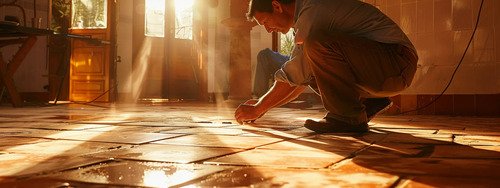
Terracotta Floor Tile is renowned for its rustic charm and warmth, often becoming a focal point in spaces due to its earthy tones. However, its durability is often questioned compared to porcelain tiles. Terracotta is a porous material, which means it can absorb moisture if not properly sealed. This characteristic makes it slightly less durable than porcelain, which is denser and less porous, offering superior resistance to water and stains. Porcelain tiles, made from refined clay and fired at higher temperatures, offer enhanced durability, making them ideal for both interior and exterior applications. While Terracotta Floor Tile requires more careful installation and sealing, it can last for decades with proper care. In contrast, porcelain tiles are more forgiving and can withstand heavy wear and tear without significant deterioration. For those seeking a balance between aesthetic appeal and longevity, Terracotta Floor Tile may often emerge as the more durable option (Source: Tile Council of North America, 2022).
Factors Influencing the Longevity of Terracotta and Porcelain Tiles
Several factors influence the longevity of both terracotta and porcelain tiles. The quality of the material, installation technique, and the environment in which they are used play critical roles. Terracotta tiles, for example, benefit from a well-thought-out finish schedule that includes regular sealing and cleaning to prevent moisture penetration. This schedule can significantly extend their lifespan.
Porcelain tiles, on the other hand, require less rigorous maintenance due to their robust composition. However, the hardness of porcelain makes it prone to cracking if improperly installed. Space planning, especially in areas prone to heavy foot traffic, should consider these factors to ensure the tiles’ longevity. Incorporating sustainable materials during the installation process can also enhance the tiles’ durability by providing a more stable base.
Maintenance and Care Needs for Terracotta Vs Porcelain Tiles
Maintenance is a key consideration when choosing between terracotta and porcelain tiles. Terracotta requires regular sealing to maintain its integrity and appearance, as its porous nature can lead to stains and water damage. A proactive maintenance routine, including sealing and using appropriate cleaning agents, can help preserve its natural beauty.
Porcelain tiles, known for their low maintenance, require less frequent cleaning and sealing. Their non-porous surface makes them resistant to stains and water, reducing the need for intensive care. However, to maintain the tiles’ original luster, occasional cleaning with mild detergents is recommended. Lighting layering in the space can enhance the aesthetic appeal of both tile types, highlighting their unique textures and colors.
Choosing Between Terracotta and Porcelain for High-Traffic Areas
When selecting tiles for high-traffic areas, durability becomes even more crucial. Terracotta Floor Tile, with its inviting color palette, may require more upkeep in such areas due to its susceptibility to wear and tear. The use of architectural salvage pieces in conjunction with terracotta can create a distinctive look, but it’s essential to weigh the maintenance demands.
Porcelain tiles, by contrast, are well-suited for high-traffic areas due to their robust nature. Their ability to withstand heavy use without compromising on aesthetics makes them a preferred choice for spaces such as kitchens and hallways. Recent research by Architectural Digest highlights porcelain’s advantage in such settings. Therefore, for those prioritizing durability, porcelain often stands out as the more practical option.
To explore a wide range of options, consider visiting Terracotta Floor Tile for inspiration.
Conclusion
Both Terracotta Floor Tile and porcelain tile offer unique benefits for home improvement projects. While terracotta provides a warm, rustic appeal, porcelain’s superior durability makes it a practical choice for high-traffic areas. Assessing factors such as maintenance needs and environmental conditions will guide you in selecting the best option for your specific space. Ultimately, the choice between these two materials should align with your design goals and functional requirements.